
ISM – International Safety Management Code
Table of contents
Here you can quickly find what you are looking for!
Training – ISM – Internal Auditing with Risk & Causal Analysis
This course provides an in-depth understanding of the ISM Code and the preventive actions required to ensure safety on board ships. It emphasizes the crucial roles of the master and company management in maintaining code compliance, making it ideal for both ship officers and company safety personnel. Additionally, the course addresses common challenges and pitfalls associated with inadequate internal auditing
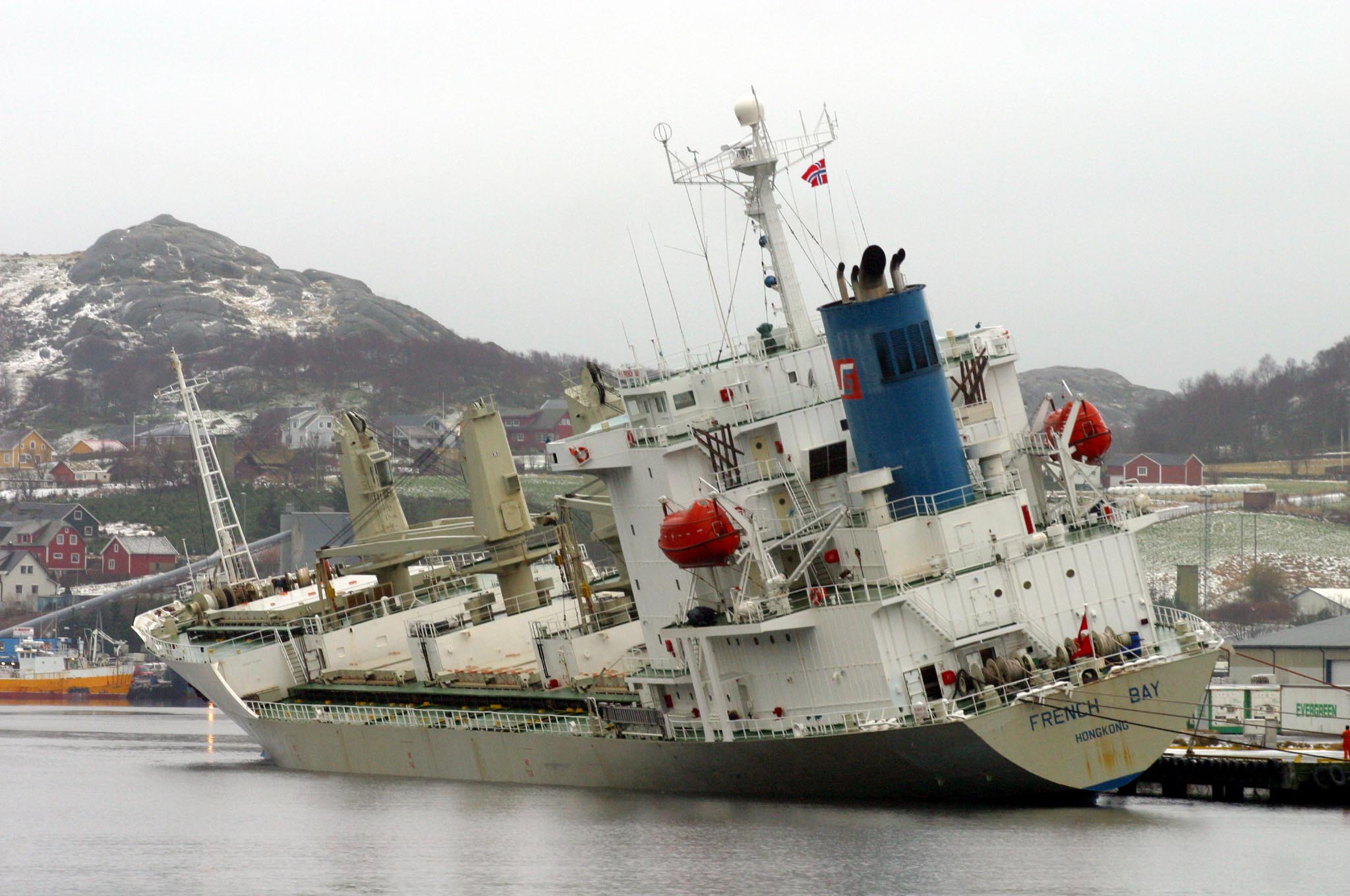
The ISM Code mandates that:
- Shipping companies with vessels covered by the code must establish, implement, and maintain safety management systems for both shipboard and shore-based operations.
- Flag and port state administrations are responsible for overseeing compliance with these systems.
The ISM Code requires both ships and their operators to develop a Safety Management System (SMS). This system must include manuals detailing procedures for tasks that may pose safety risks, aiming to prevent accidents. Operators have significant flexibility in tailoring these descriptions to suit specific ships and industry segments, as long as they stay within the framework of the code.
The guiding principle for these descriptions is: “Write as you do, and do as you write.” This principle grants professional practitioners the autonomy to define their processes while holding them accountable to follow their own documented procedures consistently.
Which ships are covered by the ISM Code?
ISM certification is mandatory for the following types of ships:
- passenger ships operating in traffic outside certain sea and navigation areas,
- ro-ro passenger ships,
- high-speed passenger craft,
- all cargo ships with a gross tonnage of 500 or more,
- high-speed cargo ships and for the companies responsible for the operation of these ships.
Consultation ISM Code – International Safety Management Code
What is the ISM code?
The International Safety Management (ISM) Code is a regulatory framework designed to promote the safe operation of ships and prevent environmental pollution. Its primary objectives are to ensure maritime safety, protect human life by preventing injuries and fatalities, and prevent damage to property and the environment, with particular emphasis on safeguarding the marine ecosystem.
The ISM Code mandates that:
- Shipping companies with vessels covered by the code must establish, implement, and maintain safety management systems for both shipboard and shore-based operations.
- Flag and port state administrations are responsible for overseeing compliance with these systems.
The ISM Code requires both ships and their operators to develop a Safety Management System (SMS). This system must include manuals detailing procedures for tasks that may pose safety risks, aiming to prevent accidents. Operators have significant flexibility in tailoring these descriptions to suit specific ships and industry segments, as long as they stay within the framework of the code.
The guiding principle for these descriptions is: “Write as you do, and do as you write.” This principle grants professional practitioners the autonomy to define their processes while holding them accountable to follow their own documented procedures consistently.
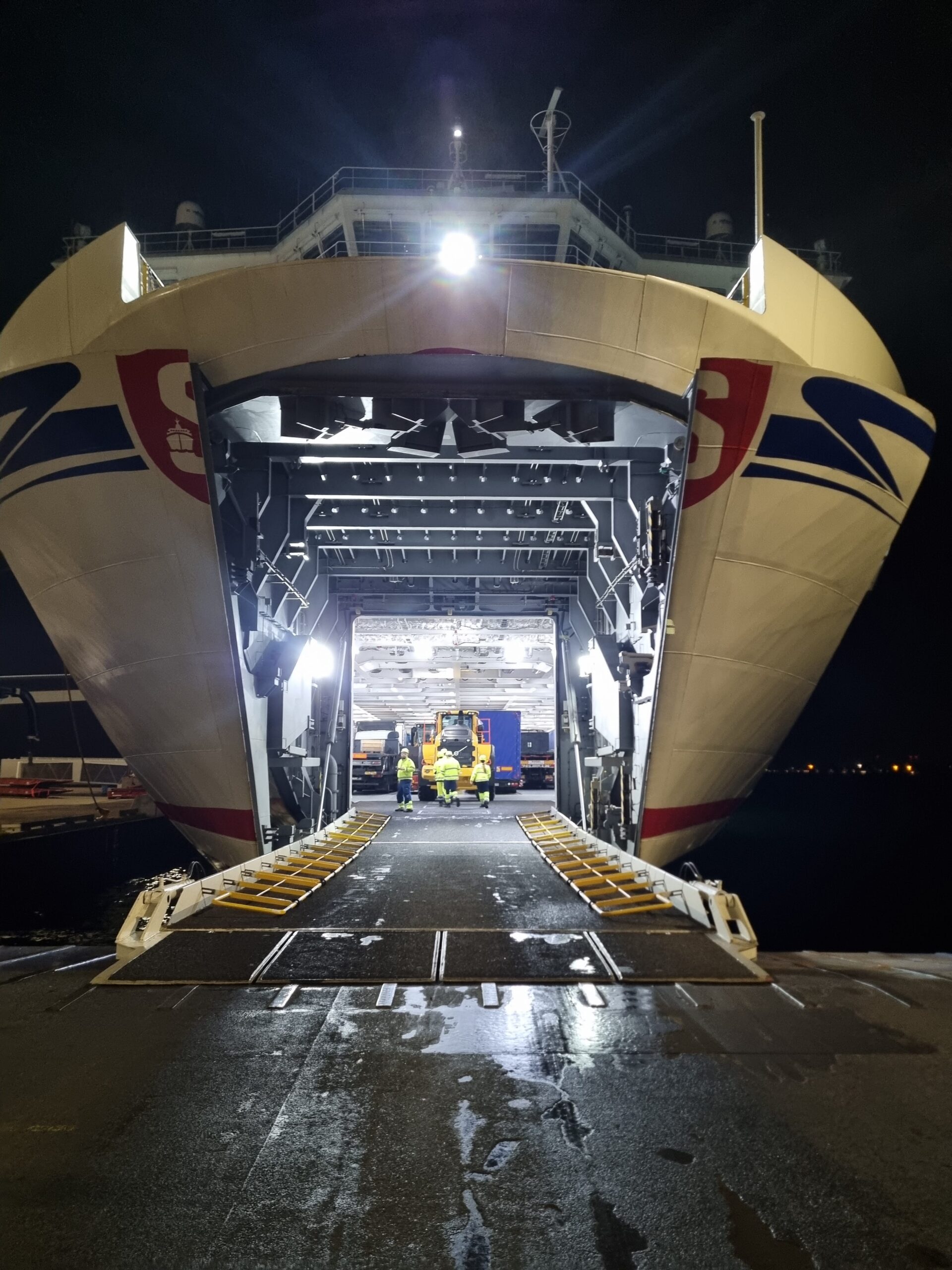

Background of the ISM Code
The ISM Code emerged largely in response to a significant rise in maritime accidents, where responsibility was often attributed solely to the operator level. This situation reduced the incentive for shipowners and operators to invest in safety initiatives. The ISM Code was thus developed to establish an international standard aimed at preventing accidents at sea and protecting human life, ships, and the environment.
A pivotal incident highlighting the need for such a code was the tragic sinking of the ferry M/S Herald of Free Enterprise on March 6, 1987. This disaster prompted the International Maritime Organization (IMO) to adopt a resolution recommending operational guidelines for ro-pax ferries, which eventually formed the basis of the ISM Code.
The code emphasizes that a company’s top management must be fully committed to safety, as this commitment, along with the competence, attitudes, and motivation of individual personnel, is essential for effective implementation. The ISM Code itself consists of broad, general rules, allowing flexibility in interpretation across various shipping segments and cultural contexts.
Once a ship operator is verified as compliant with the ISM Code by a certifying authority, they are issued a Safety Management Certificate. To maintain this certification, operators must undergo annual audits, ensuring ongoing adherence to the code’s safety standards.
Contact
Send a message
Contact details
Contact person
Phone
Address
MariTerm AB
Sporthallsvägen 2A
263 35 Höganäs
Sweden