
Cargo Damage and Cargo Damage Surveys
Table of contents
Here you can quickly find what you are looking for!
Cargo Damages
Cargo damages are common during transport. The frequency and extent of cargo damages can depend on several factors, such as the mode of transport, the packaging of the goods, cargo securing, handling, and external factors such as weather and road conditions. No recipient of goods accepts damaged goods. Cargo damages lead to activities that can be costly; replacement deliveries, complaint handling, etc. It is therefore of the utmost importance to take preventive measures to minimise the risk of cargo damages.
MariTerm helps companies to develop a transport solution that includes choosing the right load carrier, packaging and correctly dimensioned cargo securing to minimise the risk of cargo damages.
If cargo damages has already occurred, do not hesitate to contact MariTerm.
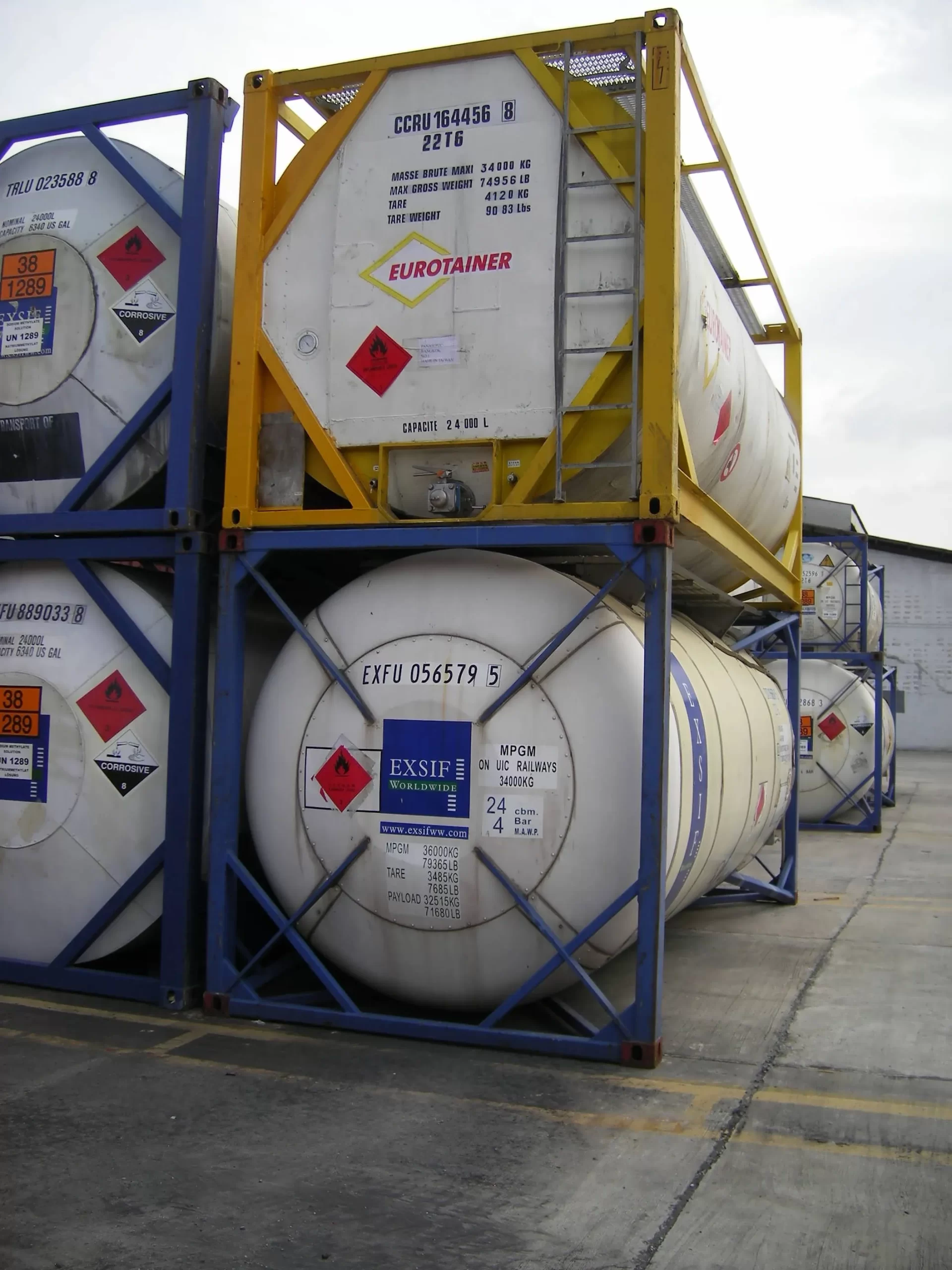
Survey of Cargo Damage
MariTerm AB has on several occasions been commissioned to investigate the cause of cargo damages and assist various parties in disputes when goods have been damaged during transport. MariTerm has also carried out Surveys on behalf of insurance companies and the Swedish Accident Survey Authority in connection with major accidents that have occurred during transport or cargo handling.
MariTerm are approved by the Swedish Transport Agency as inspectors for the inspection of load securing and to investigate any cargo damage.
MariTerm are appointed by the Swedish Accident Survey Authority (SHK) as experts in load securing and are used by them in the event of a Survey of an accident/incident related to load securing.
Liability Issues in Cargo Damage
If, as the traffic regulations state, only the driver of a motor vehicle is responsible for whether the goods are secured on the load carrier, situations may arise where the driver alone has difficulty taking full responsibility for the load, and where co-responsibility for other parties should be considered.
Examples of such situations are driver changes, when units are sealed, when the packaging is deficient, when the unit is part of intermodal transport, when using transport systems such as A-frames, when transporting high-risk goods such as concrete elements and heavy machinery, and when load carriers and equipment are deficient.
Rules for Cargo Damage
Depending on what kind of cargo damages we are talking about, different types of rules may come into force.
If the damage is of the type of cargo damage, damage to means of transport or other goods, the relationship between the parties to the transport contract is regulated by civil law rules, for example through the so-called “CMR Convention” (CMR = Convention relative au contrat de transport international de Merchandises par Route) in international road transport or the corresponding CIM Convention (CIM = Uniform Rules concerning the Contract for International Carriage of Goods by Rail) in international rail transport.
If the damage is instead directed at a “third party”, e.g., a person or the environment, public law rules (criminal law) must be taken into account for load securing and it can be very complicated to sort out who should be held accountable for the deficiency and in many cases court proceedings are required.
Please note that the distribution of liability may vary internationally, especially when it comes to public law liability.
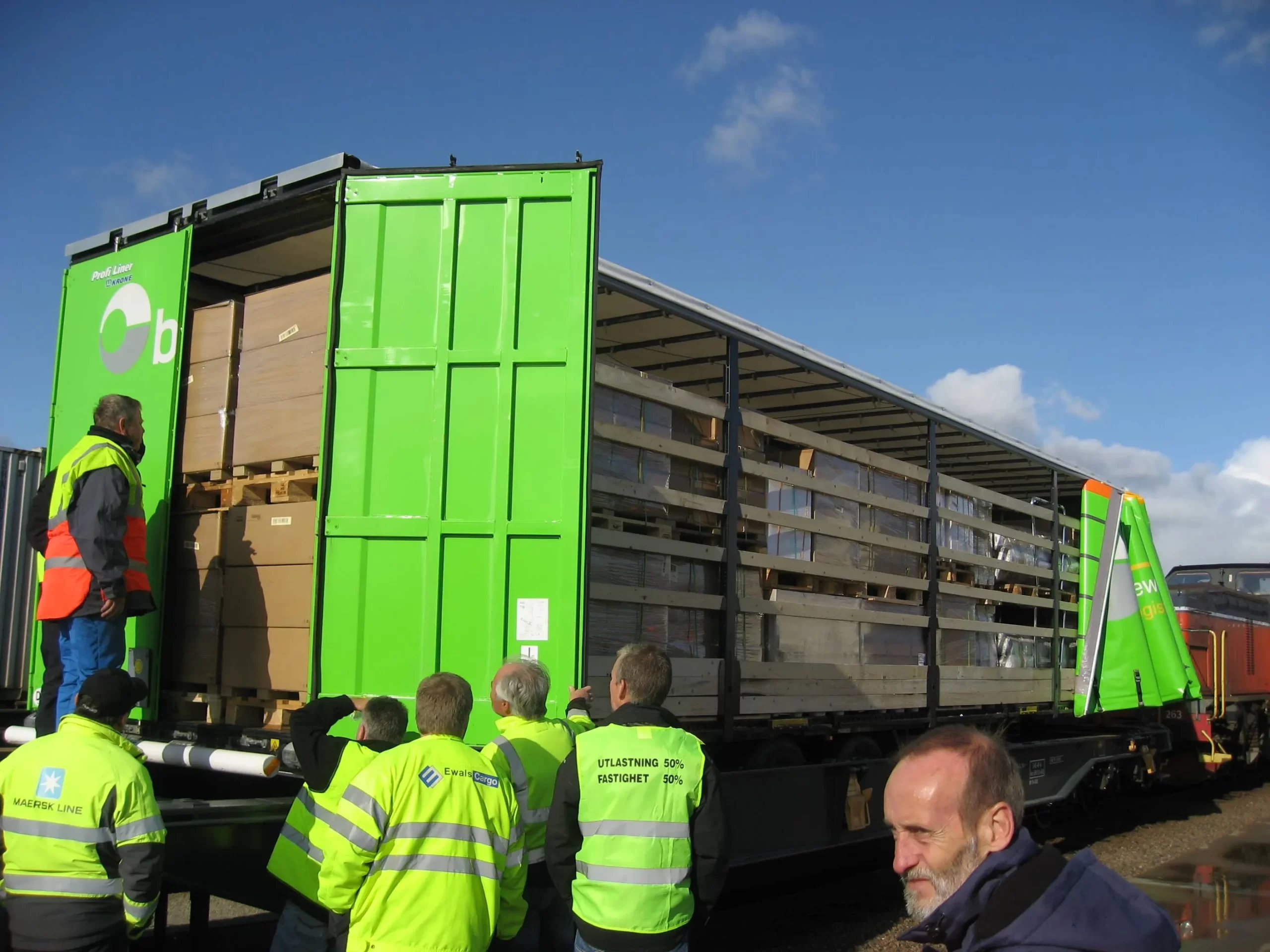
Complications in Cargo Damages
Cargo damages due to, for example, deficient cargo securing can therefore be extensive and the question of liability for the cargo damages that have arisen can be very complicated to sort out. This is partly due to the fact that many people may be involved, and partly due to the fact that goods transport is regulated by several different agreements, laws and conventions that interact in different ways.
Contact
Send a message
Contact details
Contact person
Phone
Address
MariTerm AB
Sporthallsvägen 2A
263 35 Höganäs
Sweden